
Use paths
Cells
CNC routes shaped around real South African production weeks.

Starter Floor
A workable setup for a starter CNC bench in South Africa, written for shops that already know their way around a machine.

Scale Up
A practical route for scaling CNC output on South African shop floors, written for teams who already run the work.

Education Cell
A useful layout for a training cell in South African workshops, written for teams who already understand the trade.

Export Line
A clear path for export-bound CNC work in South Africa, written for teams who already handle production.

Retail Bay
A tooling bay for a CNC cell needs clear cutter zoning, measured holder counts, and room for setup sheets beside the machine. In South African shops, dust control and lockable storage matter just as much as visual display, especially where coated bits, collets, and spare clamps are kept within arm's reach.

Warehouse Loop
A stock and dispatch loop inside a machining cell works best when raw board, cut parts, and packed orders never cross each other. Bin labels, batch tags, and moisture-aware storage help avoid mix-ups when MDF, plywood, solid timber, or plastics move through busy workshop traffic.

Coastal Site
A practical route for a coastal machining site in South Africa, written for teams who already work the floor.

Highveld Site
A practical route for a Highveld machining site in South Africa, written for teams who already work the floor.

Overnight Run
An overnight CNC cell run needs verified tool lengths, fresh spoilboard reference points, and a cut file checked against sheet size before lights-out. South African power conditions make restart notes, vacuum checks, and spindle warm-up records worth keeping near the control.

Demo Path
A sample-cut cell should show how the machine handles edge finish, holding strength, and repeatability on the material that will be used in production. Short test programmes on birch ply, melamine, aluminium composite, or acrylic reveal feed, chip load, and extraction issues before a longer job is loaded.

Service First
Service-first planning keeps a CNC cell usable when bearings, belts, filters, and lubrication points are checked before output is pushed higher. Regular spindle inspection, hose checks, and sensor cleaning are especially useful where fine dust, heat, and long cutting hours build up across the week.

Training First
A training-focused cell needs simple workholding, standard tool libraries, and setup notes that match the control in front of the operator. New staff can work through zeroing, bit changes, feed overrides, and extraction checks on smaller sheets before moving onto nested production.
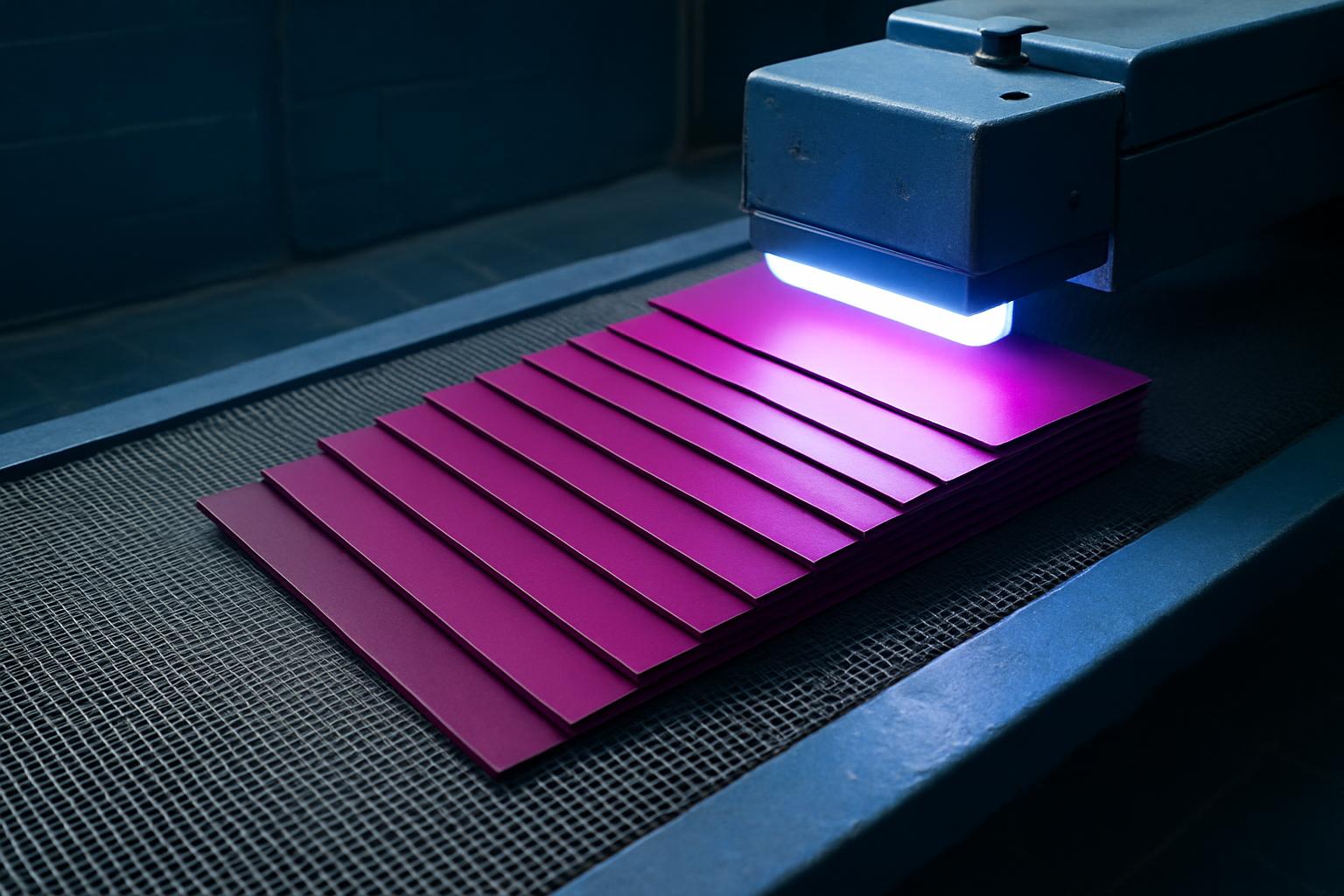
Spares Ready
A practical route with cutters and spares ready in South Africa, written for teams who already run the line.

Audit Week
Audit week in a CNC cell is a good time to trace tool life, sheet yield, and rework causes back to actual machine settings. Pull records for calibration, maintenance, safety checks, and material batches so the team can compare what was programmed with what was cut.

Handoff Pack
A handover pack for a CNC cell should travel with the machine settings, tool list, fixture notes, and the last approved cut file. Add photos of hold-down positions, spindle data, maintenance items due, and any material quirks noticed on South African stock from recent batches.

Multi Site
A practical route for multi-site CNC work in South Africa, written for teams who already manage more than one floor.