
Tooling
Starter Cell
Starter Cell groups the first cutters and hold-down basics a shop needs when a CNC table moves from test cuts to repeatable work. It suits routine board processing, simple plastics, and light aluminium jobs where collet size, chip clearance, and spoilboard condition matter from the first sheet.
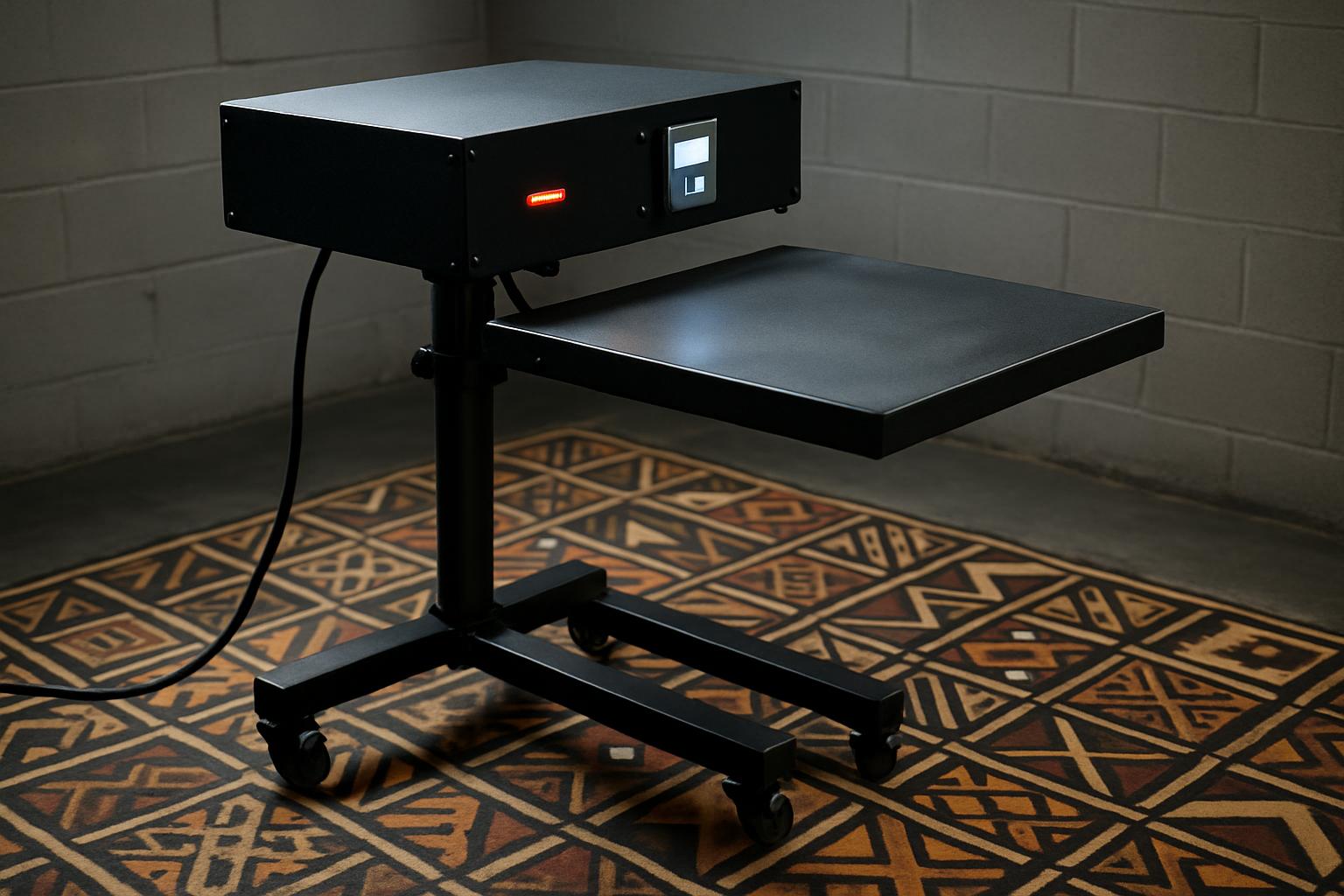
First tooling for daily cuts
Starter Cell is a practical tooling package for shops setting up a CNC workflow or expanding into new routine jobs. It keeps the focus on the core cutters and accessories needed to get useful work out of the machine.
Most Starter Cell setups begin with sheet goods such as MDF, melamine-faced board, birch ply, or ACM, so the cutter mix needs clean edge quality and manageable heat. In Gauteng dust builds quickly around collets and extraction points, while coastal workshops need stricter rust checks on holders, nuts, and spare tools. Feed and spindle settings should be recorded with the first accepted sample so the next operator is not guessing.
Before loading the first job, check spindle runout, collet grip, vacuum coverage, and tool stick-out against the part depth. A note kept near the machine helps the team confirm diameter, flute type, and cut direction after a tool change or power interruption. That small check is especially useful when one machine alternates between nesting board and trimming plastic.
What sits in the cell
The package centres on core cutters and accessories that keep common CNC work moving without filling drawers with odd sizes. Think straight cutting for board, compression where top and bottom edge finish both count, and the basic support items needed to clamp, measure, and replace tooling correctly. The aim is a workable starting mix for production, prototypes, and repeat jobs.
Map Starter Cell against your next routine jobs before adding specialist tools for foam, solid timber, or heavy aluminium passes. Compare holder sizes, spindle taper, and extraction needs with the rest of your setup, then keep the record with your job file. If you need to send machine details, use the contact form and say it is for a starter cell so the package matches the table in front of you.
- Core cutters for board and plastics
- Collet, runout, and hold-down checks
- Basic accessories for repeat setups
Workshop conditions that affect tooling
Starter Cell should be checked against the way South African shops actually run, including generator changeovers, courier schedules, and mixed machine ages on one site. A newer router with strong vacuum can use the same cutter family very differently from an older table with patched spoilboards and variable extraction. Keep urgent replacement bits separate from the planned tooling list for the month.
Humidity near Durban and Cape Town calls for better storage of cutters, collets, and gauges after use. Dry inland sites often need more frequent cleaning of linear rails, fan covers, and vacuum filters because fine MDF dust travels everywhere. Aluminium cutting also needs a closer watch on chip evacuation when daytime temperatures rise in a closed shop.
Operated by Astros Marketing (Pty) Ltd from 2 Makro Place, Sunnyrock 1401.
Information to send with Starter Cell
Include the machine model, spindle power, collet sizes, and the materials you cut most often. Photos of the bed, extraction arrangement, and current tool rack help identify whether the first package should favour nesting cutters, finish tools, or a small aluminium set. Mention any breakage pattern, poor edge finish, or tool pull-out seen on recent jobs.
Keep the Starter Cell note with your tooling register, sample parts, and machine setting sheet after the first approved run. That record makes it easier to reorder the same diameters, check wear against output, and train a second operator on the exact setup used.
What our CNC Tooling customers say
Verified Google reviews