
Project
Crown Mines
A steady route for Crown Mines, built for production floors where CNC cutting and tooling uptime matter every day.
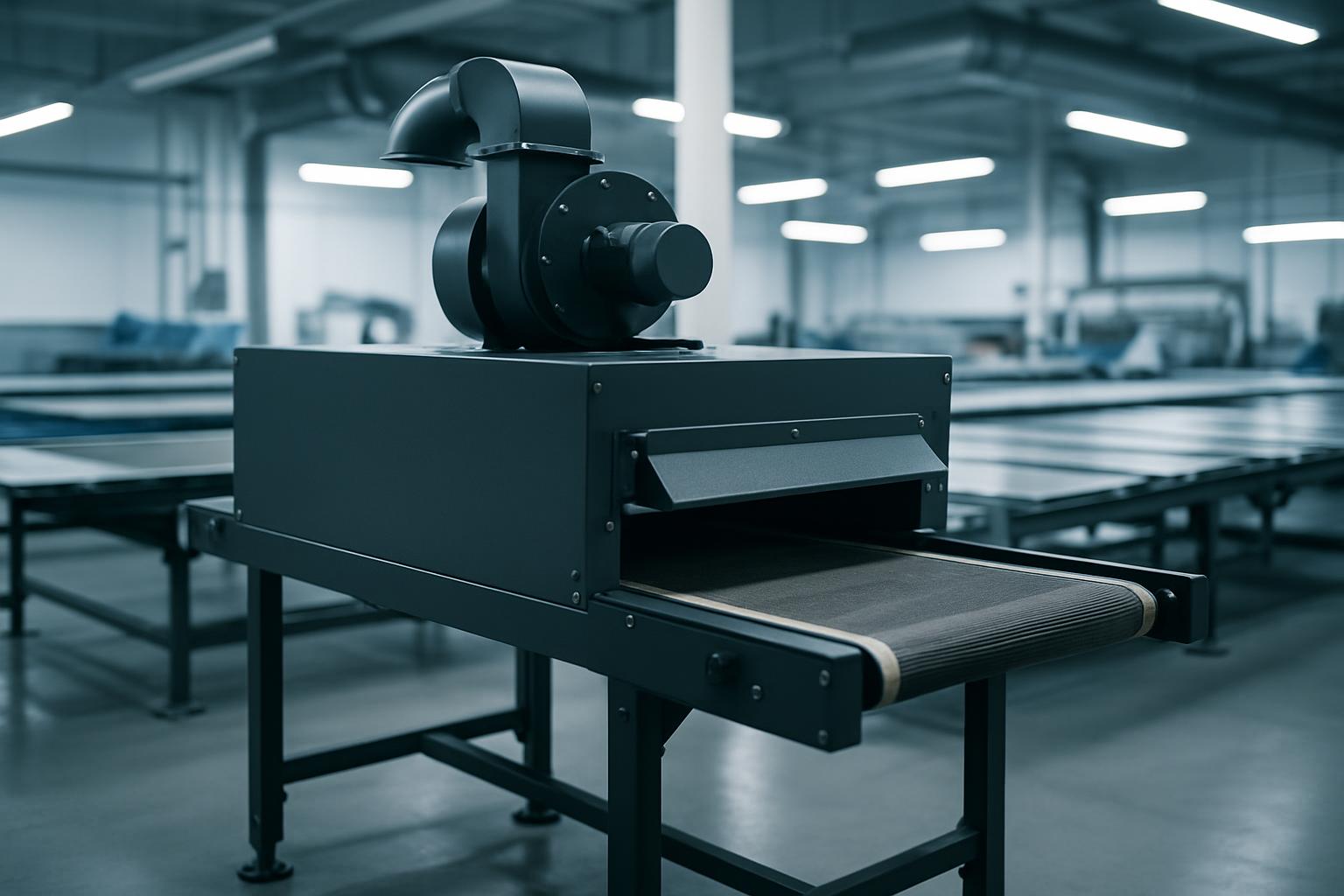
Crown Mines production demands
The Crown Mines page speaks to production work where machines need to keep moving. It focuses on CNC cutting, replacement tooling, and the practical stock support that keeps uptime from slipping on the floor.
Crown Mines jobs often come from busy Gauteng industrial sites where board cutting, aluminium trimming, and repeat parts all compete for spindle time. Material thickness, cutter diameter, dust extraction, and shift planning matter more here than generic routing advice. Power interruptions and dispatch windows around Johannesburg can change how a run is staged and how much spare tooling should be on hand.
Include the spindle model and a finished edge sample from a recent run. Those two checks help separate feed issues from worn tooling, collet slip, or chip packing. A short note beside the machine settings also makes handover easier when another operator picks up the job later in the day.
What goes into the pack
The Crown Mines brief is built around the cut itself, not vague production talk. It can cover tool type, coating choice, likely wear points, and the order of cuts for sheet work or repeat components. Naming the machine, stock, and fault history properly reduces mix-ups when replacement bits or revised paths are needed.
Link Crown Mines with the relevant Cells note or Chips entry only where those pages support the current cut issue.
- Cut plan tied to current stock
- Setup photos showing spindle and edge
- Fault notes recorded against the run
Gauteng uptime checks around Crown Mines
Crown Mines sits in a working industrial belt, so transport timing, site access, and warehouse handling can affect how tooling and stock move through the job. Older routers, mixed vacuum tables, and heavily used extraction systems are common in this kind of setting. Where parts are cut for shopfitting, joinery, signage, or factory use, the brief should state whether edge quality, tool life, or output rate is the main pressure point.
Inland dust builds up fast around rails, fans, and collets, especially where MDF and chipboard are cut every day. Dry Johannesburg conditions can also highlight static, fine dust recirculation, and heat around long runs if extraction is not doing enough. When aluminium is in the mix, swarf control and bit inspection need to be treated separately from wood-based sheet work.
Operated by Astros Marketing (Pty) Ltd from 2 Makro Place, Sunnyrock 1401.
What to send for Crown Mines
Send the Crown Mines brief with floor photos, production timing, and the cutting or tooling faults already slowing the line down.
Send the material spec, sheet size or part size, cutter details, and the fault that is costing output right now. Add photos of the machine area, the top edge, and the underside of the cut if breakout is part of the problem. Where replacement tooling is involved, include any markings on the current bit and note whether the machine is cutting MDF, plywood, perspex, ACM, or aluminium.
What our CNC Tooling customers say
Verified Google reviews